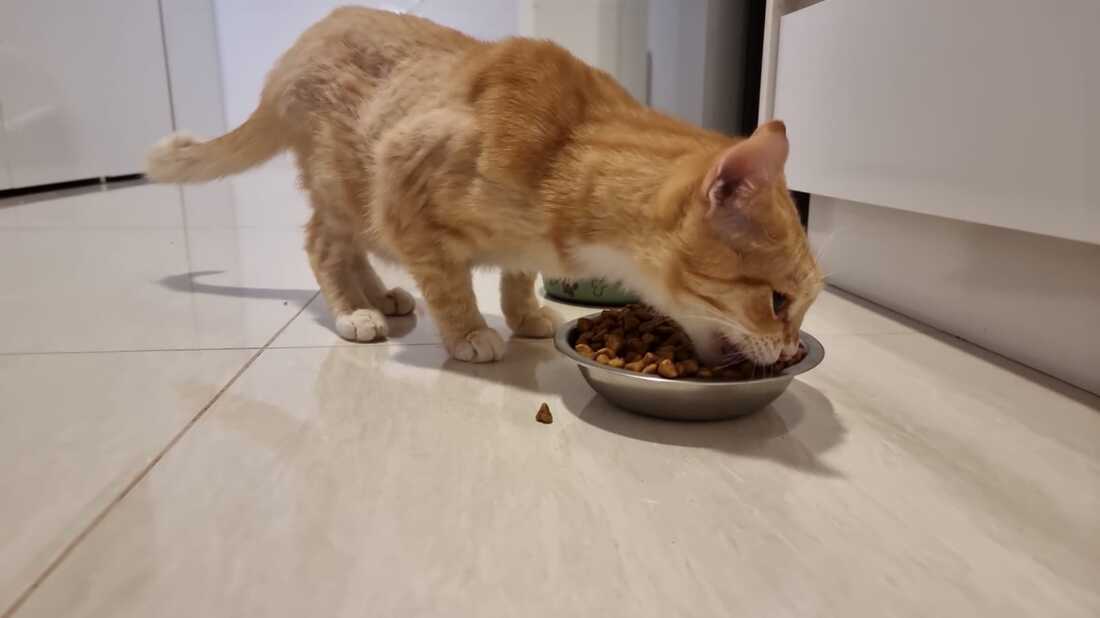
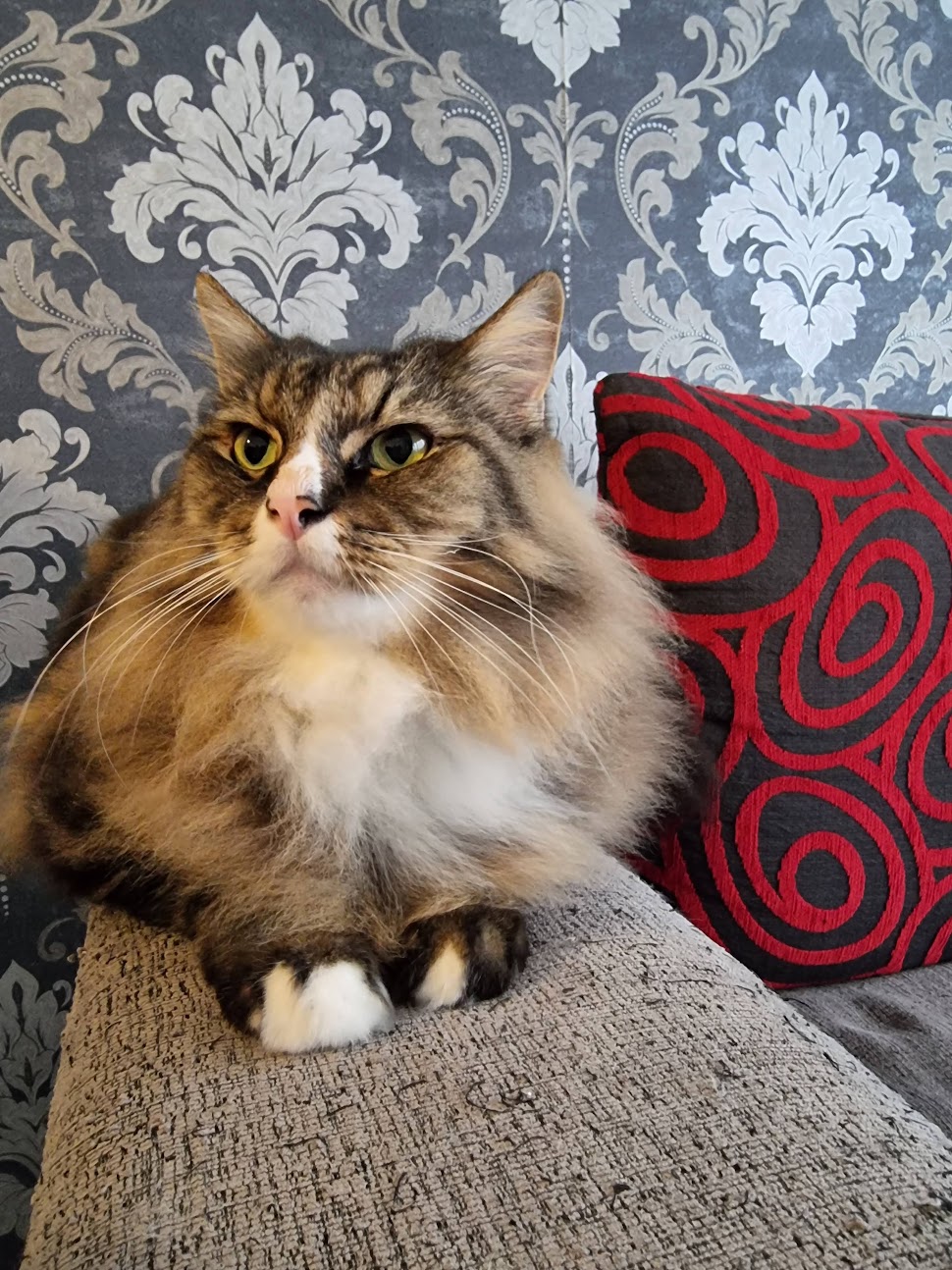
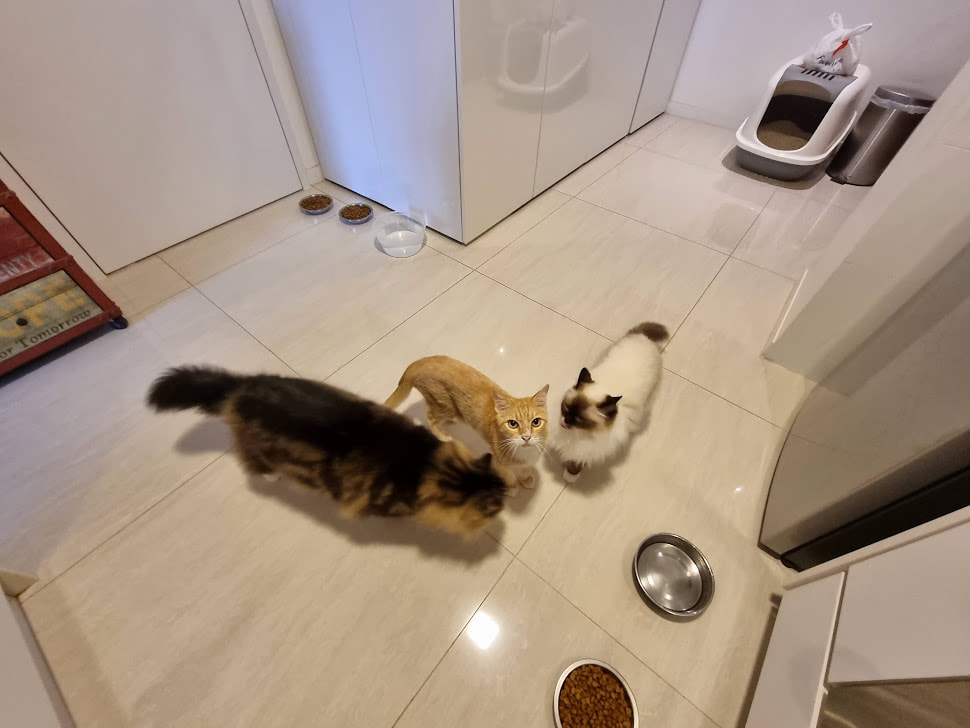
All the Lovely Cats (and furry ones) that I have Taken Care of BeforeHaving spent much time (and love) with all the furry ones, I thought I should dedicate a blog post to all the cats and furry ones. All of them hold special meaning to me in one way or another, and for most of them, I have grown closer to them through the house visits, and I certainly hope that I would have the chance to meet them again! I try to help cat sitting and cat visits, and you can find me on Pawshake. Tron, Caline and SpeedoTron, Caline and Speedo are the friendliest cats I've ever met. They belong to the lucky cat owner Danny, who regularly reaches out to me to help look after his cats. In fact, he's so trusting of me that he has passed me a set of keys to his house and access pass and even registered my car so that it would be easy for me to go to his place to take care of his fur-babies. Even though Danny did not require me to groom his kitties, I took the effort to give the cats a dose of daily grooming. This is especially so when Tron and Caline are long-haired cats, and they are unable to fully groom themselves. Caline, being the most shy cat eventually got familiar with me with my regular brushing and bonded with me. I think this is the best things about cats - they don't just give you their love and affection as easily as dogs; you really have to earn it lol. I've done several cat sitting for this bunch of cats, and I look forward to seeing them again. (Danny, please go on a trip soon!) Sophia
SienaSiena is a really shy cat who lives at Meyer Road area with her owners. It took me almost a week to get Siena feeling comfortable enough to get close to me, but even so, she's always cautious and hesitant. Because of this, I maintained a comfortable distance to ensure that Siena did not get stressed by me (she was already stressed by being alone without her owners near her). Siena will not say no to treats however, and that gave me an opportunity to get closer to her. Enzo, Fleur and Cookie
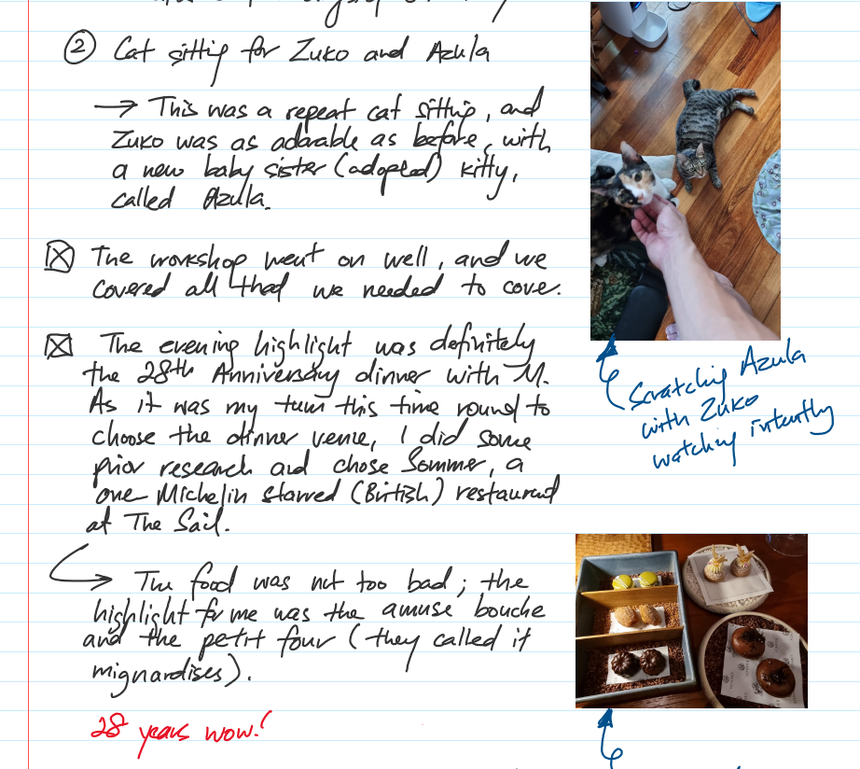
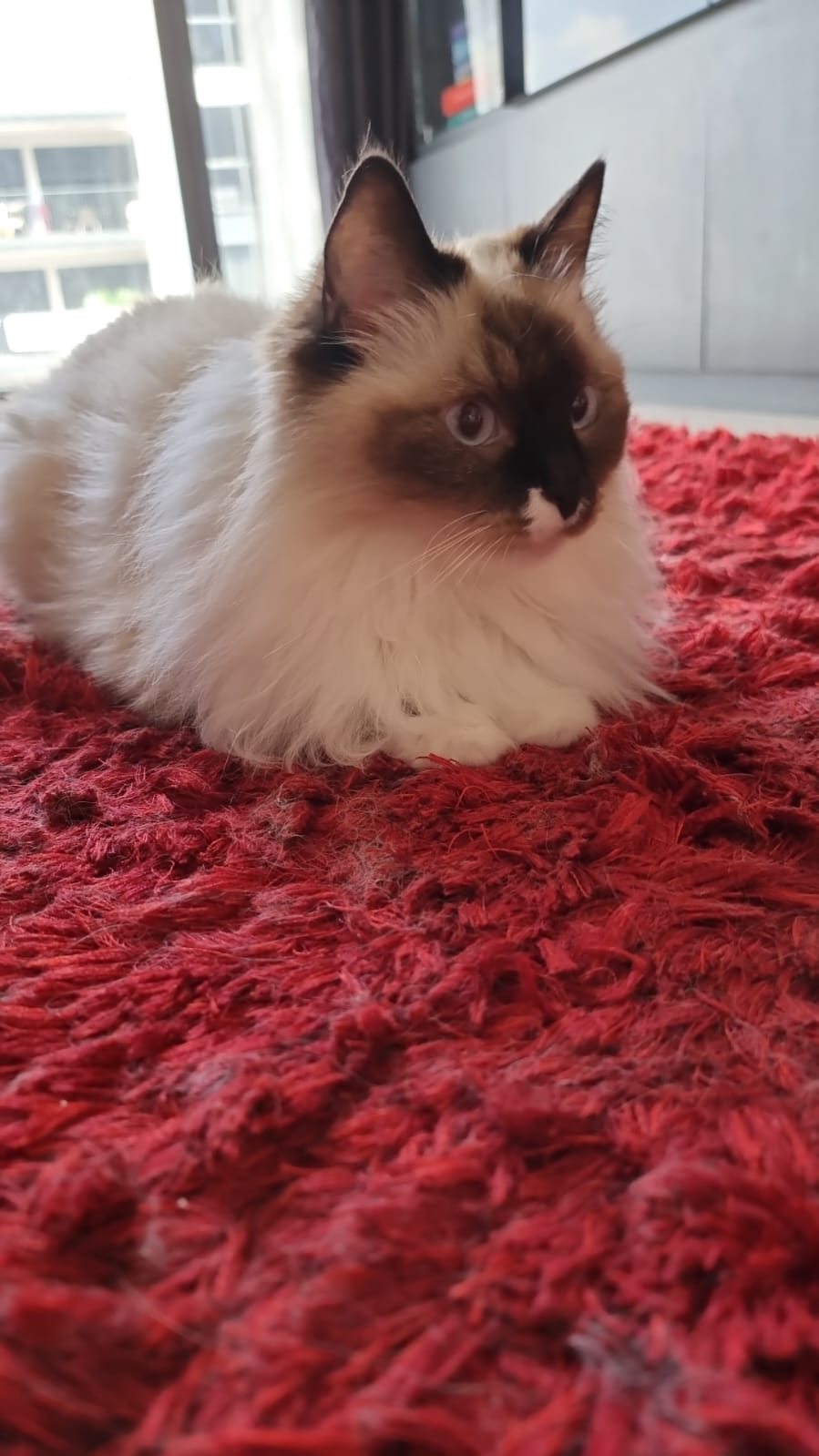
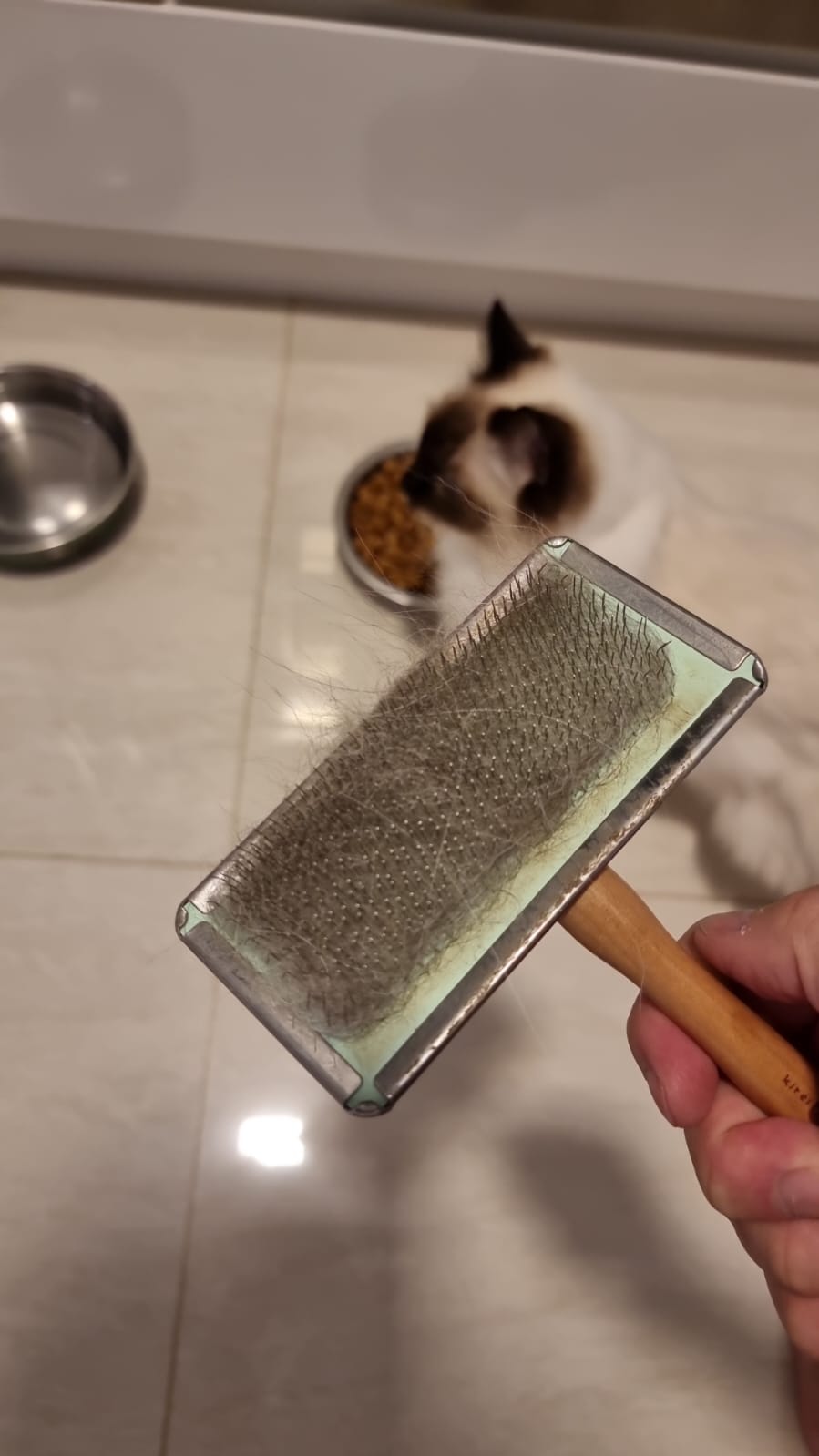
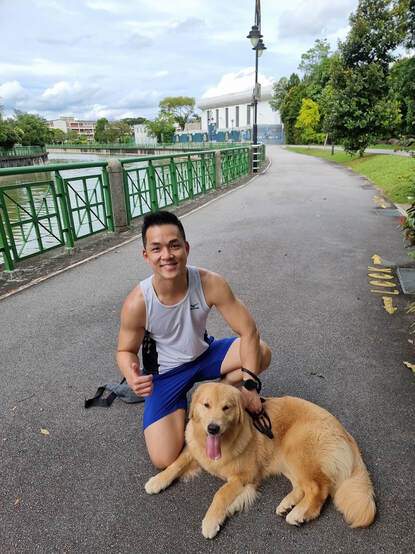
There was a request for me to do regular dog-walking (on a weekly basis) for Enzo and Fleur, a pair of Golden Retriever siblings, as well as Cookie, a Maltese. As I have an affinity for Golden Retrievers, I gladly took on the assignment. These days, I walk Enzo, Fleur and Cookie on a weekly basis (except when the weather is bad), and I've seen them grow bigger as they mature in age. Update: June 2022 It has been six months already, and I am still doing the weekly Sunday dog walking with Enzo, Fleur and Cookie. It's something that I look forward to, and both Enzo and Fleur are also big puppies now. ZukoZuko is a really adorable tabby belonging to owner Daria. The owners were travelling to Germany for the Christmas period, so I had the opportunity to spend some time with Zuko, as well as help to water the Christmas Tree in the house. Zuko is friendly and always come over to me for brushing when I am at the apartment. He has large and round eyes that makes him oh soooooo adorable! Mochi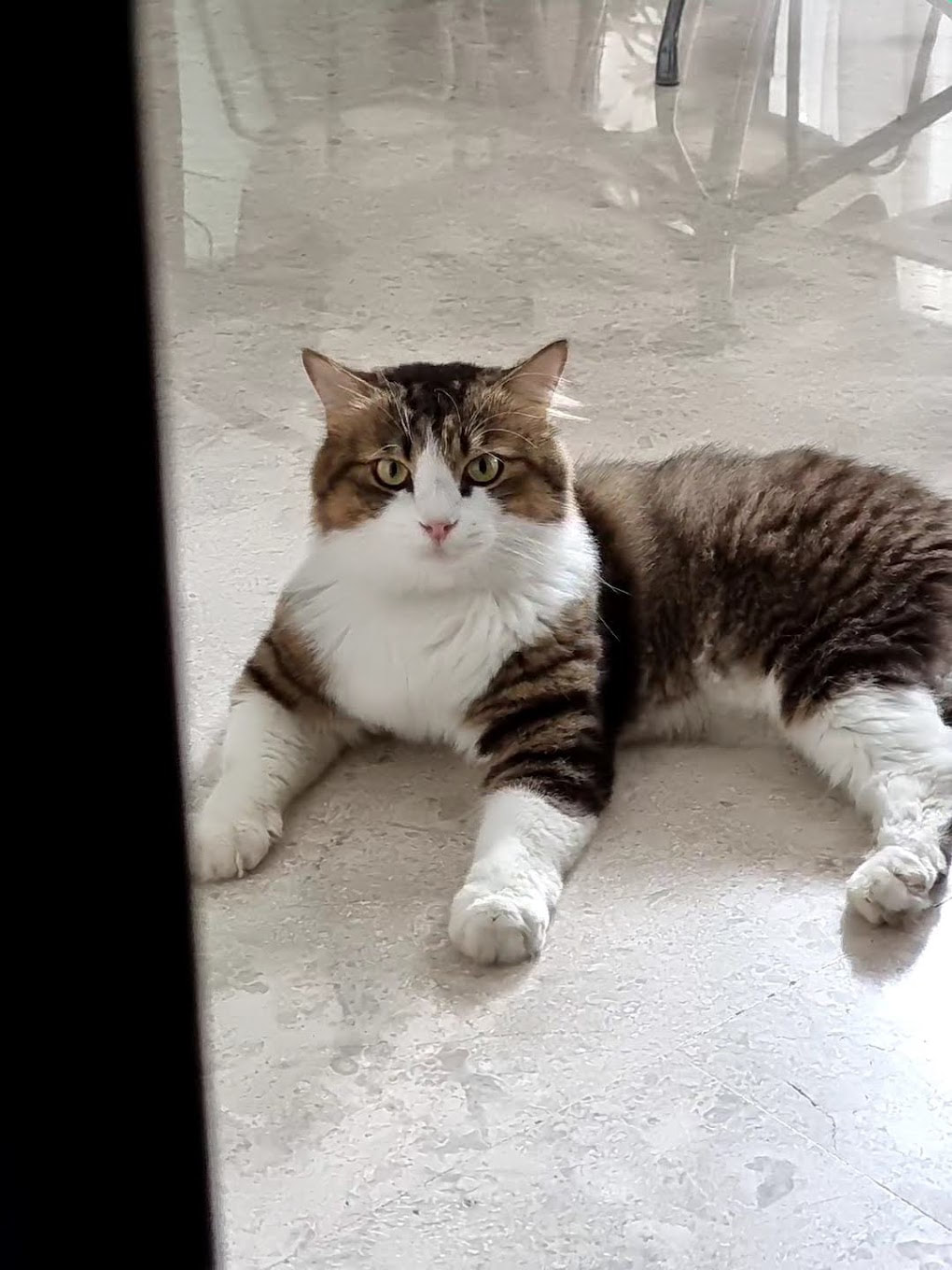 I took care of the really friendly Mochi while his owner was away for a much-needed VTL vacation in December 2021. Mochi was really friendly, and while he was a fussy eater, he never fails to walk over to me for some cuddles and grooming. Because of his thicker fur, some effort is needed to groom Mochi to prevent his fur from matting. Zorro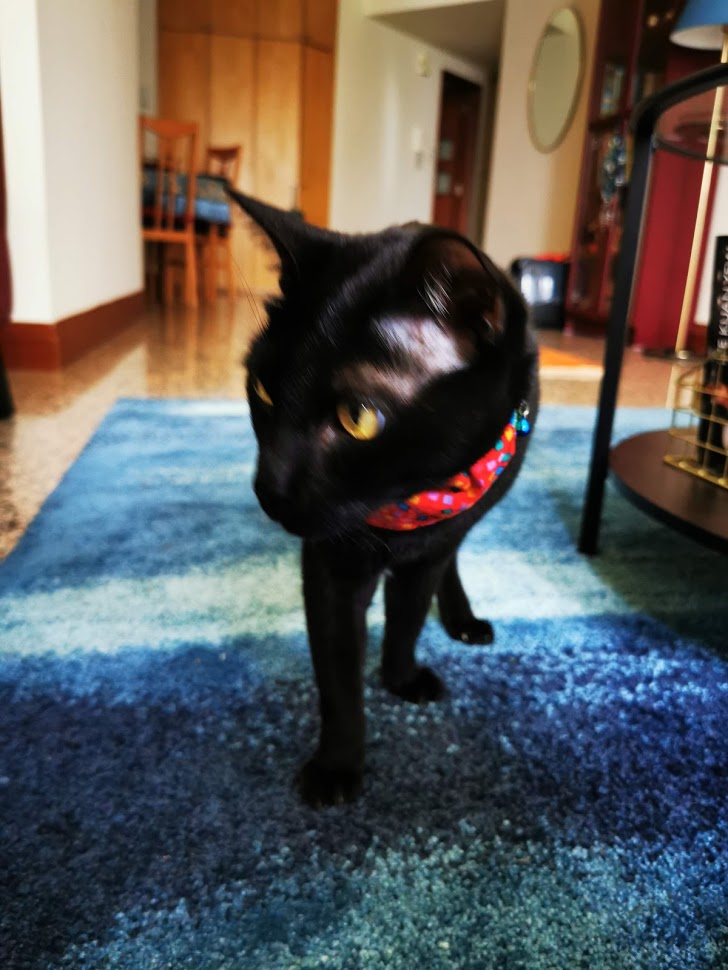 It was difficult to snap a photo of Zorro cos he's always moving around. Rather friendly, Zorro was kindly adopted by Shilpa into her family and is now a happy and loving member of her family. While some Singaporeans shun black cats (because of bad luck?), Zorro is a fantastic case of how we should not be prejudiced by the colour and breed of a cat. All cats are affectionate and are deserving of our love, and Zorro (and Shilpa) is a fine example of this! Poppy and Winston 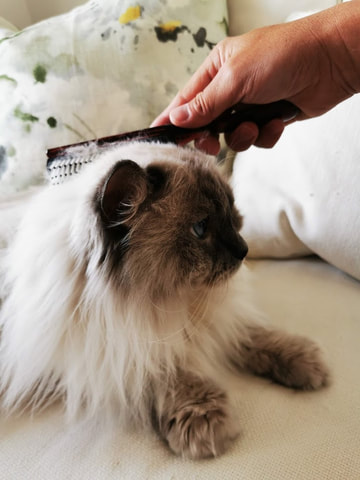 Poppy and Winston are two really adorable and beautiful ragdolls of owner Kate. Poppy (the one with the white "socks") being the more friendly one would come approach me while Winston usually hides on the upper level. As their fur require a lot of grooming, I bought a brush so that I could help keep their fur in good order and prevent matting. This wasn't easy, especially for Winston, hence after my catsit period, Poppy was the one with the nicer looking coat. Also, over time, she has gotten closer to me -- and I do look forward to meeting them again. Nice ragdolls! Doufu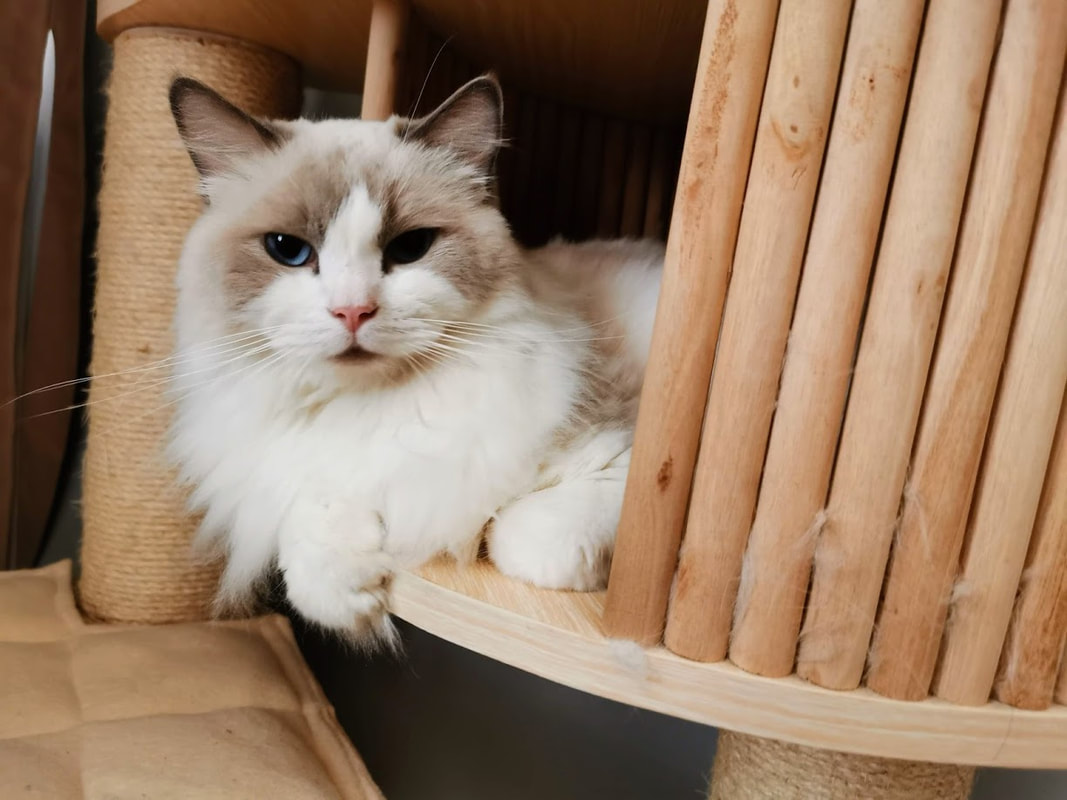 Doufu is a shy ragdoll with a really beautiful coat of fur. She's a little shy initially and would hide inside her little cot, but once she's adjusted to my scent she would come out to play. Doufu requires much grooming due to her coat, so when I visited her I always make an effort to brush her fur to prevent any matting. Wasabi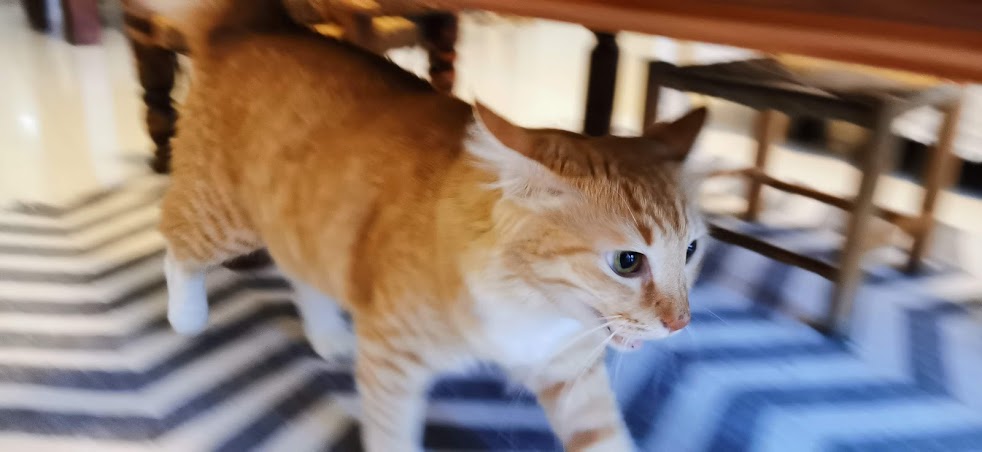
Tiberius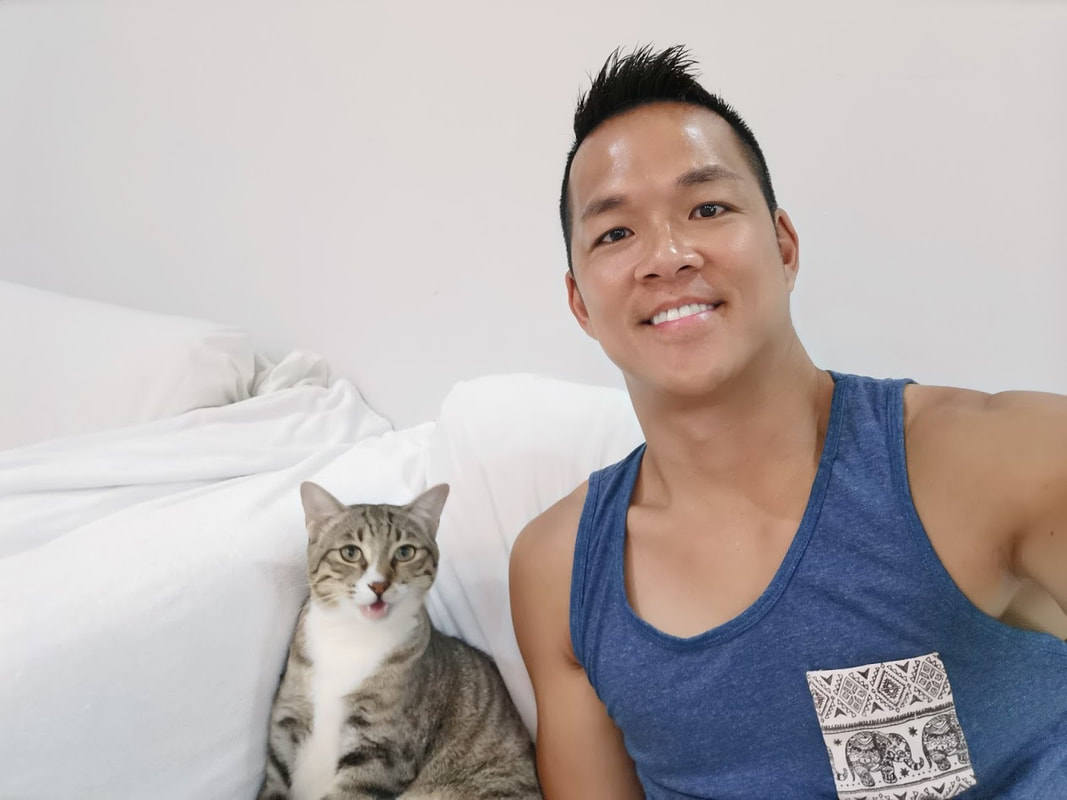 Tiberius is one of the most affectionate (and manja) cat that I've house visited so far (except for Markiz, which was another really affectionate cat). Tiberius would be waiting for me by the door for my arrival, and then from the time that I enter the apartment, till I depart, Tiberius would be all over me, following me wherever I go. Tiberius is a very sociable cat, and when he realised that I was about to leave the apartment, he would rush to the door to block my departure. Such an intelligent cat! Bailey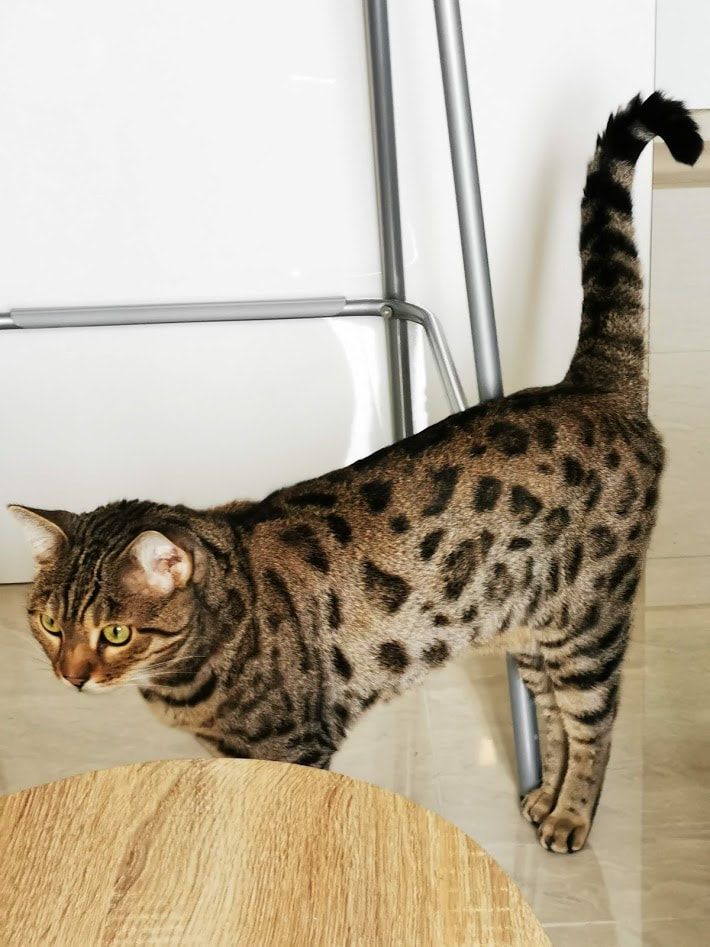
Chi and Gandalf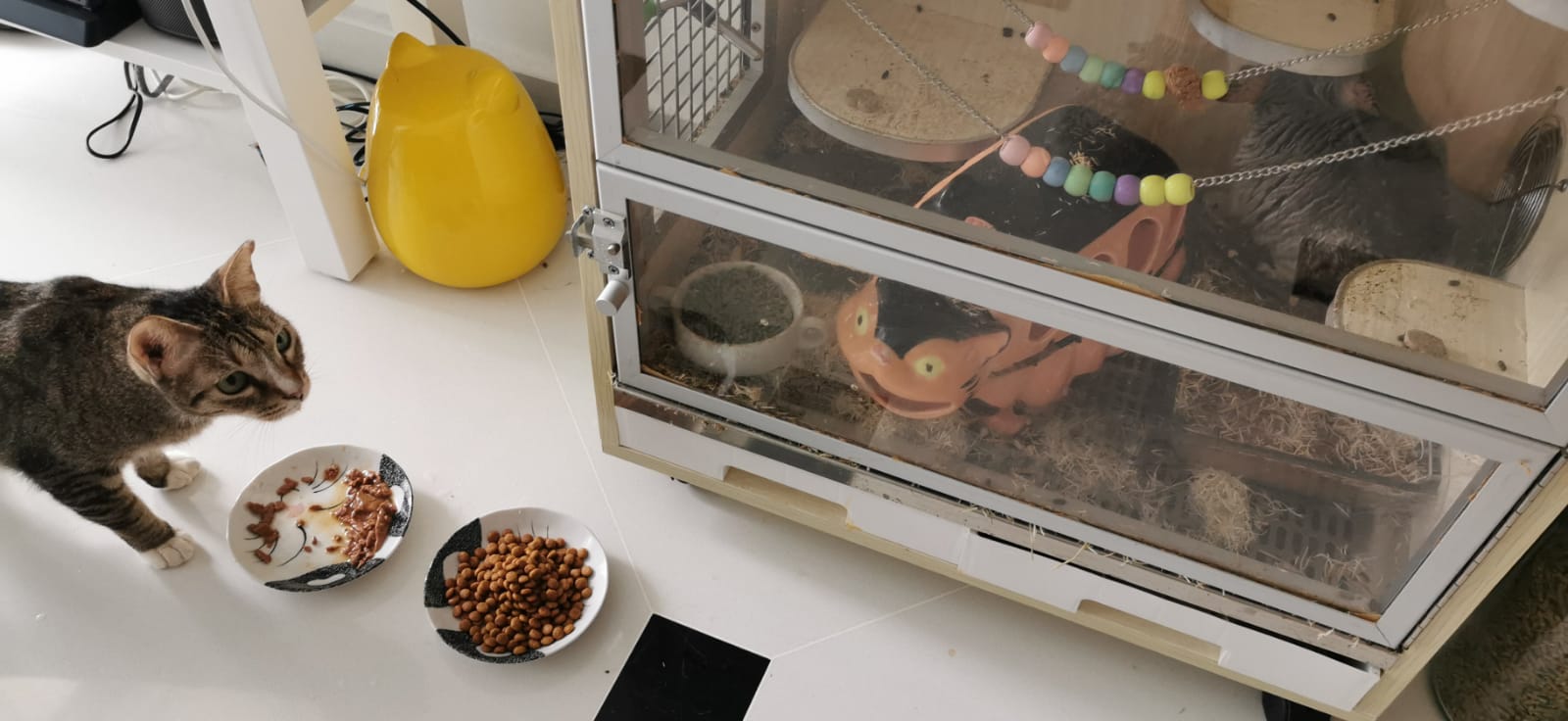 Chi was a really shy cat and took several days to get familiar with me, and initially I couldn't even get close to Chi. I also helped take care of Gandalf, the Chinchilla living in the glass tank. Fortunately both Chi and Gandalf could get along rather well (as long as they were not left alone in an open space!). Chi has a really demure and gentle character which made her really unique in her own catty way. Bubba and Padgett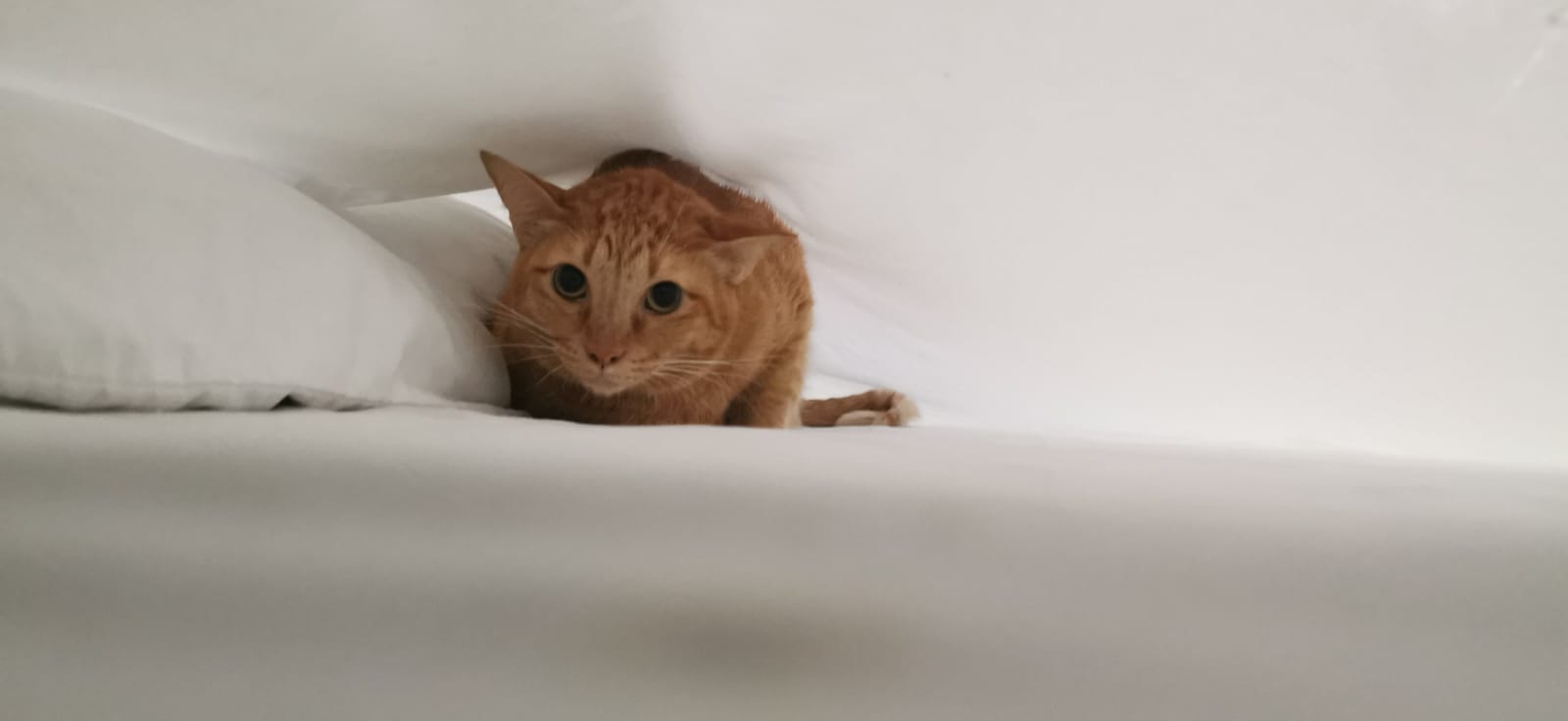 So far, for all the numerous cat visits that I have undertaken, I have always been able to get close to the cat(s) and form a connection with them. The only time that I've failed was with Bubba and Padgette (lol!). Both Bubba and Padgette were really shy cats, and once they hear me arriving, one would hide under the sheets while the other one would make a beeline to the back of the fridge. Because they were rather fearful, I took gradual steps to engage them, but the closest I managed was to take a photo of them without scaring them away. I would definitely like to meet both Bubba and Padgette again. Chesterfield, Mittens and Paolo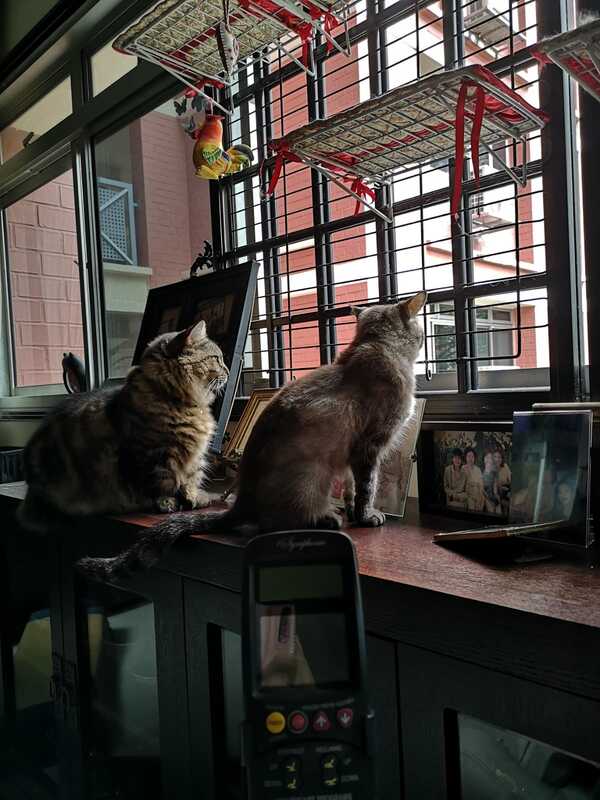 Unfortunately, I was unable to get very close to either of the three cats, as one of them had the tendency to make a dash out of the house. Hence there was great care needed to handle this family of cats. (btw, Chesterfield is a Rabbit). Boo and Max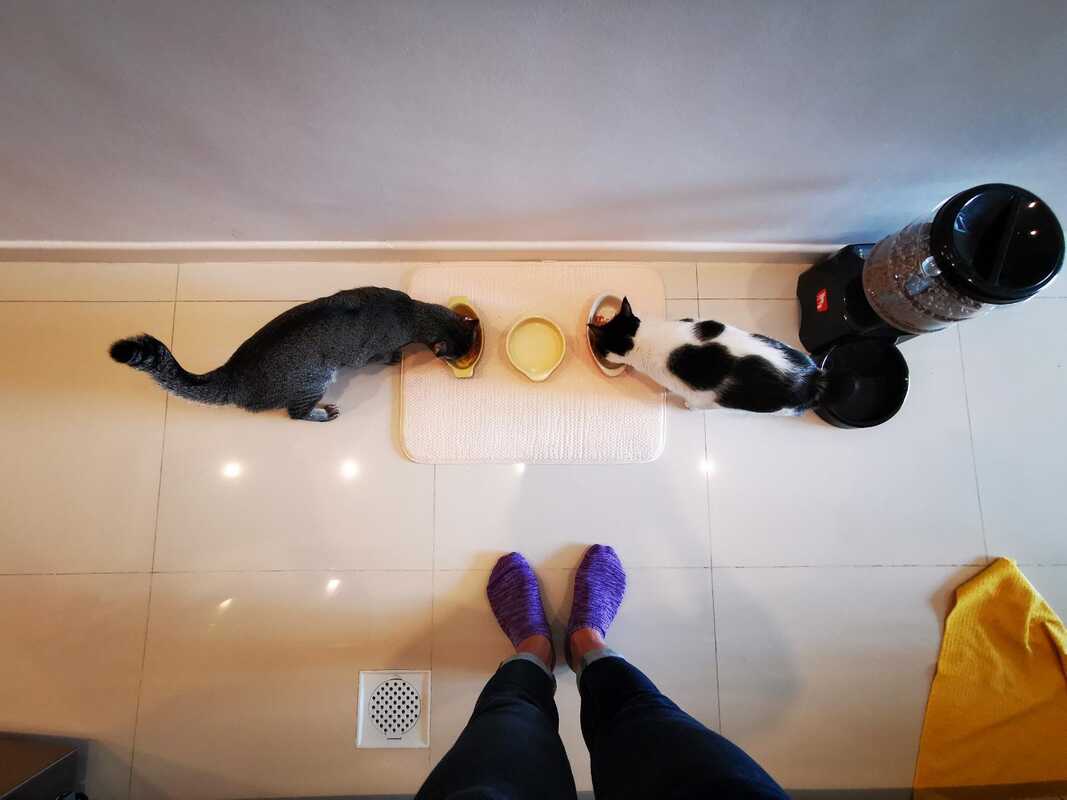 I spent a fair bit of time with Boo and Max as well (about two weeks?). Max (the black and white one) is the more friendly and sociable cat while Max is the more wary one. Fortunately, after about four or five days I managed to get closer to Max. They had a tendency to choose on the carpet slippers so I had to keep them out of their sight. Both cats love grooming time and would come to me once I had the brush in my hand. Markiz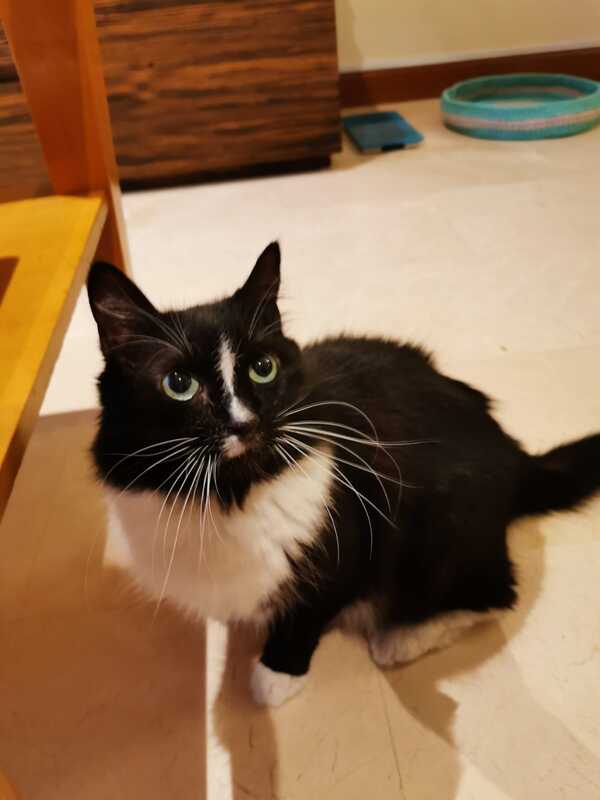
Nheo, Tho and Ginger Sooke and Meng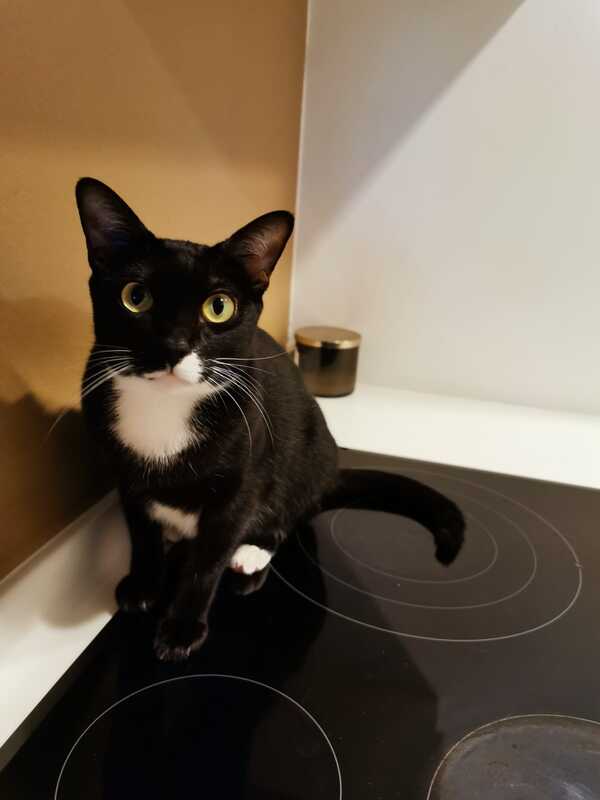 I did a short cat visit for 5 cats across 2 homes. As this was a really short cat visit, I did not have the chance to spend quality time with all the cats, and while some were shy and wary as usual, a few curious kitties did come out to greet me, which was nice. DD, Ah Mei and Orb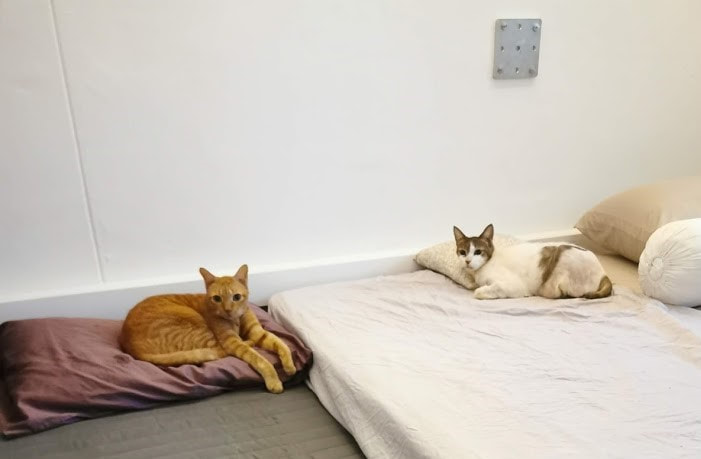 This cat sitting assignment was a special one as I was requested to take care of DD, a 20-year old cat (not in the picture, out of respect for DD). DD lives together with Orb (left) and Mei Mei (right). As DD was getting senile, the really caring owner wanted to find someone who was able to come between 2pm and 3pm during weekdays to help feed and care for DD. I decided to take on this responsibility for an extended duration, all the way until DD passed away. This experience of cat sitting was a very special one, as I had built a special bond with DD over the many weeks spent together. When I heard of DD's passing, I did cry uncontrollably, and this is a reminder to myself to never take my cats for granted, and to spend quality time with them. Trotster and Talent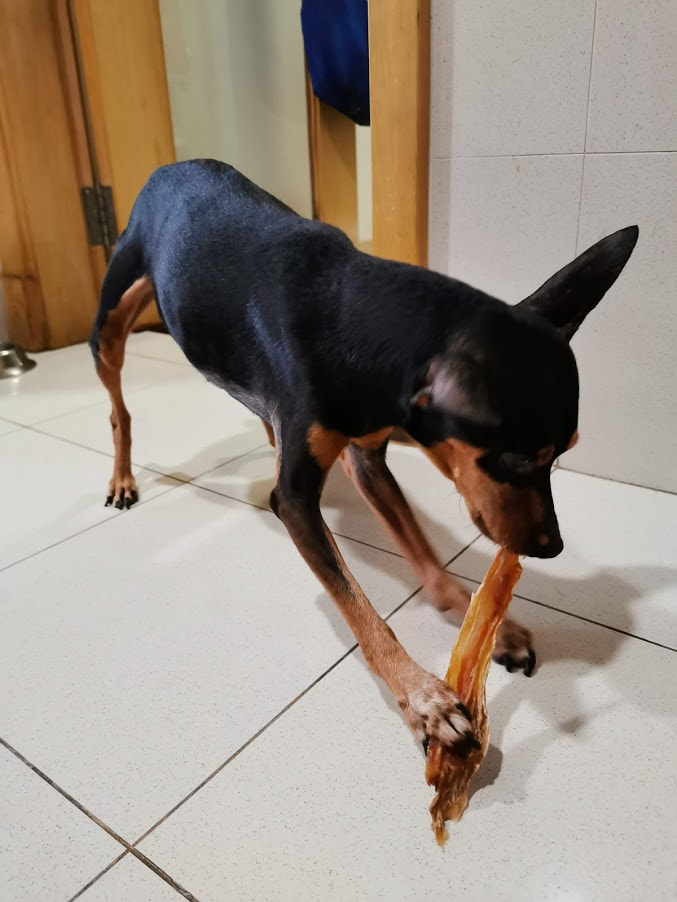 Occasionally, I do take care of dogs as well. Here, I was requested to take care of Trotster and Talent - both Miniature Pinscher. It was an interesting experience for me as I realised that different skillsets were required for taking care of dogs, which was somewhat different from taking care of cats. In particular, Talent was rather territorial and aggressive to a point too, so I had to be very careful in managing both of them. Luna and Naomi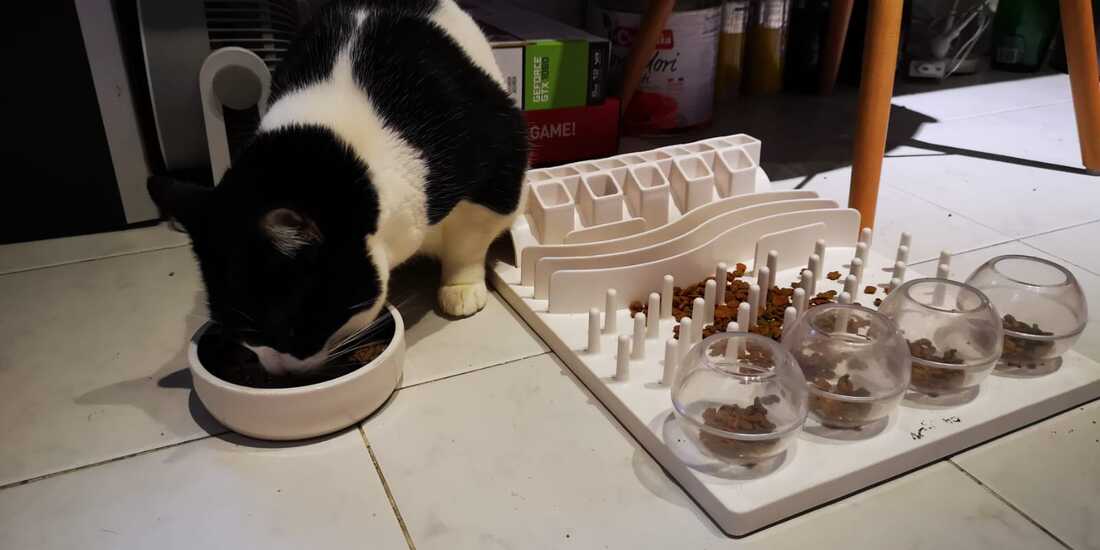 I did repeated house visits for both Luna and Naomi. As usual, one of the cats, Luna, was the more gregarious and friendly one and greeted me from the moment I stepped in till I left the apartment. On the other hand, Naomi was the really shy one, and it was so difficult to catch a glimpse of her, that I took me a while to make her warm up to me. Mochi the Friendly Furry Cat - Dec 2021I took care of the really friendly Mochi while his owner was away for a much-needed VTL vacation. Mochi was really friendly, and while he was a fussy eater, he never fails to walk over to me for some cuddles and grooming. Because of his thicker fur, some effort is needed to groom Mochi to prevent his fur from matting.
With the restrictions coming in place, I thought it would be great to just drop by at Mom's salon and then spend a simple evening with her. Over the past few months, there has been movement of the tenant mix around her salon. The empty units were gradually occupied again. The KZX massage unfortunately closed, and was taken over by a partnership between HW and the owner of the maid agency on level four. They decided to start a "drinking place", which was kind of apt for my mom since she's seen as the "big sister" for the area, especially with her sociable personality.
In fact, mom has been putting this small round table with a few chairs right outside her salon, as a meeting point for her and her friends. When I visit her, I would hang out with her at this table over red wine, and then it would become a nice spot for us to catch up. So this evening, I surprised her with a smart watch as a Mother's Day gift. I reckoned that while she's never really wore a watch before, a smart watch would be useful for her to track her steps, monitor her sleep as well as to measure her heart rate (and of course, the smart watch can be a nifty gadget in notifying her incoming messages while she's busy with a customer's hairdo). It took a while for me to update the smart watch and pair it with her phone. Then I explained to her the various features. As she's not as technology-literate, I had to be patient to explain to her step-by-step on how to activate and deactivate the various features, such as DND (which is a useful function in case incoming messages after midnight will disturb her sleep). She was confused with the Safety Entry for business (as I was), so we took some time to try to figure out how to set up her salon to be ready to transit to implementing the Trace Together scanning for customers. Maybe I should send her a message now to see if she's activated the DND mode. Lol. 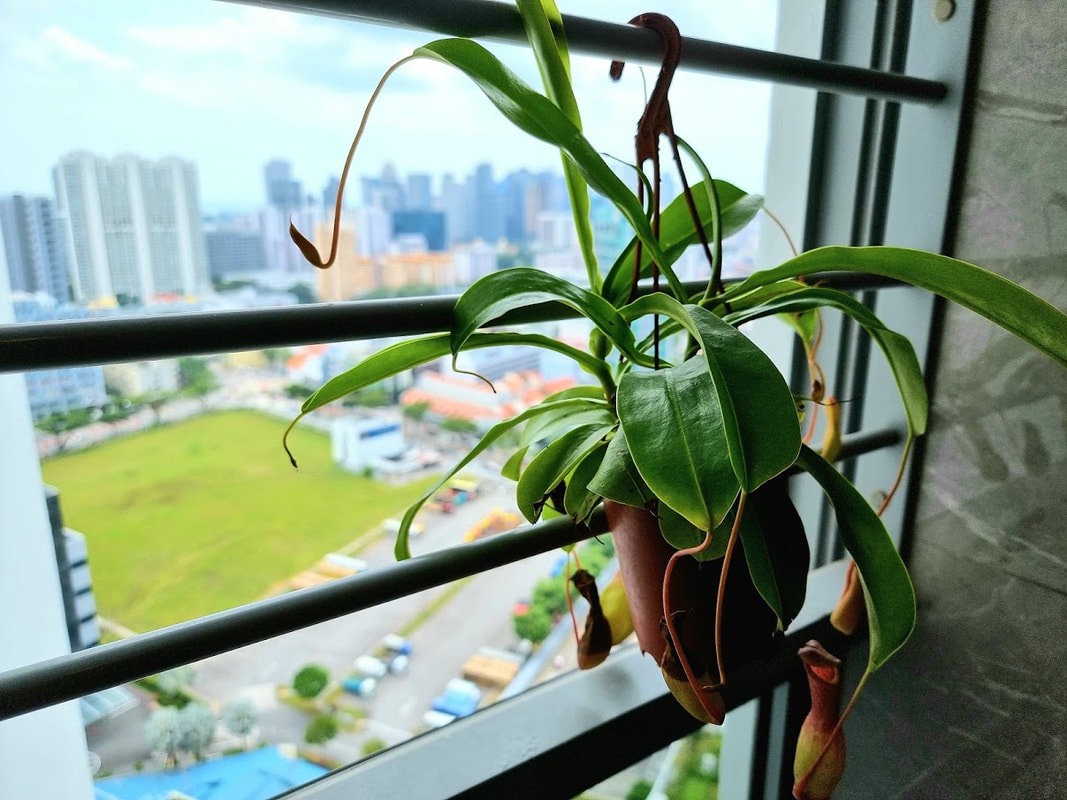 I have been staying in my current apartment for about twenty months already. At the thirty-sixth level, it enjoys great ventilation from the constant breeze from the south. There's also plenty of sunshine; the living room balcony faces the west, while my bedroom faces the South.
At such a high floor, I would expect no insects to be lurking around. Unfortunately, there's a minor insect issue in my bathroom. Due to the accumulation of water from the shower area into the drain pipe, I do see tiny drain flies for whatever they are called) flying out from the drain cover every morning when I am having my warm shower. Initially, I left them alone, thinking that they were harmless. They proved to be harmless as expected. Life went on. Then one evening, I looked up at the corner of my bathroom ceiling and found a family of more than 10 drain flies staking their sovereignty in the tiny universe of my bathroom. I was perturbed. I pried open the drain cover and sprayed as much insecticide as it was possible, then covered the floor trap to prevent any insects from escaping. I believed there were many casualties from my actions. The drain fly population decreased for a short while. A week passed, and then they were back. This time round, they occupied three corners of the ceiling, as if they were trying to mock me. The battle continued to the present day. There seemed to be no effective means to eliminate the drain flies. What I could do was only to manage their population by not allowing their numbers to increase exponentially. I was no match for them. Then, just this evening, after dinner with the guys, I passed by this newly-opened nursery. Aptly called "The Nursery", the place was nicely decorated and was brightly-lit, which attracted many passer-bys in the Lavender neighbourhood. We went in to take a look. I had no intention to get myself any plants. My last plant was a piece of ginger which was left unused for too long in the storeroom. It grew shoots. I was impressed by the ginger root's survivability and transplanted it in a pot of soil. That was during the COVID phase one lockdown period. The ginger plant sprouted stems and leaves and grew could the glass bowl couldn't accommodate it anymore. The ginger eventually ended up in a buta shouga dish. Back to the nursey. I chanced upon a small pitcher plant. And immediately I thought about my squatter tenants in the bathroom. Perhaps they might be attracted to the pitcher plant. Perhaps I could try to keep a plant in my bathroom after all. I ended up getting the pot of pitcher plant and another small point of the Crispy wave fern. I reckoned that this fern might bring some colour to my sink, and keep the pitcher plant company. Over to you, drain flies.  Since the last Royal Caribbean Cruise trip ended abruptly with a COVID scare, I was determined to use the cruise credits for another trip before the Quantum of the Seas sails away (I heard the next ship is a smaller vessel). As we were already familiar with the cruise ship, we cleared the immigration checkpoints fairly swiftly and after dropping off our stuff in the cabins, we went up to the open-air deck. M and I got ourselves the beverage plan (what's a trip without beverages?!) and I immediately got myself my first tipple. In fact, over the course of the next three nights, I would have consumed the following (in the right sequence):
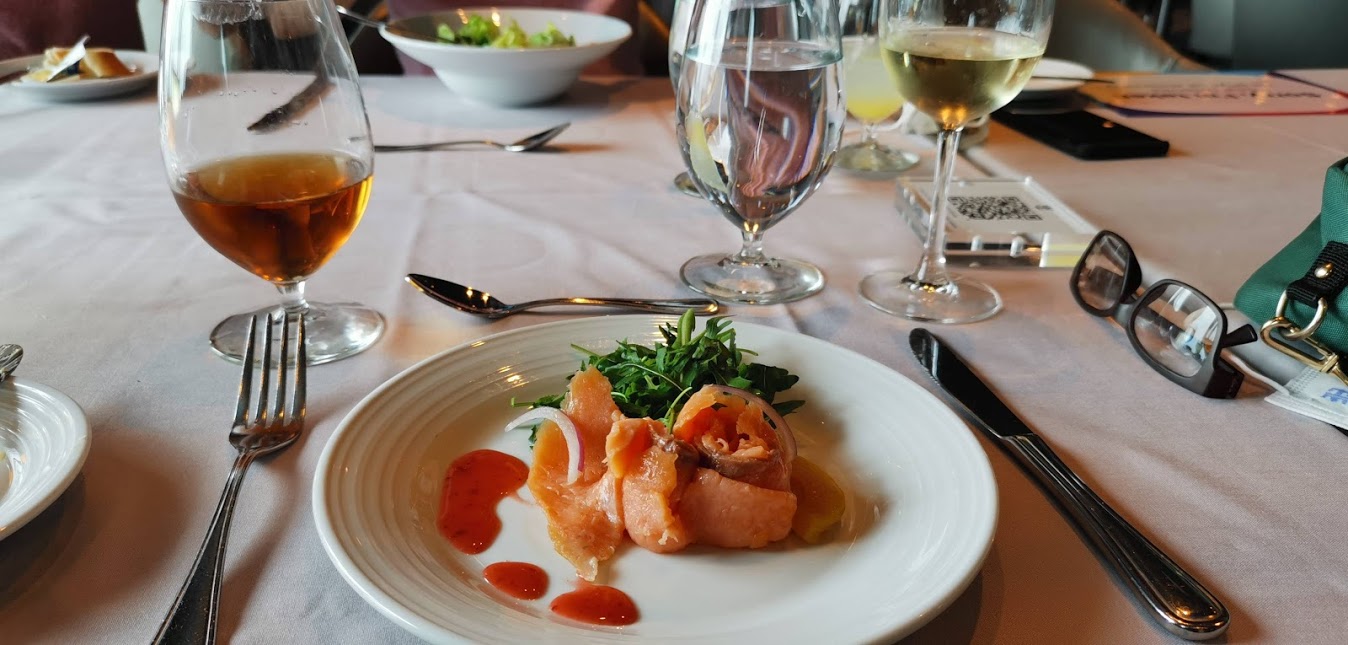 I found the food to be rather decent (for the price which we were paying). There was no need to visit a specialty restaurant at all. As we went on this cruise during the low season, we were well-attended by the service staff. Naturally, my favourite spot in the entire cruise ship was the solarium. The solarium was designated as a kids-free zone, so we could really unwind and relax with ambient jazz music, low humidity and fresh sunshine. I was determined not to get an internet plan, so that I could concentrate on some good ol' reading. I prepared some ebooks on my Kindle, and started with The Three Body Problem by Liu Cixin. I got to about 50% of the book but found it to be rather dry, and switch over to The Hidden Life of Trees by Peter Wohlleben, which I finished on Day 2. By the end of the cruise, I was also halfway through Persuasive Copywriting: Cut Through the Noise with Impact by Andy Maslen. I took some notes on my Ultra for future reference as there were some great tips which would without doubt come in handy for my Wellaholic marketing later on.  The other fun thing which I was looking forward to trying again was surfing at the Flowrider. Most of the slots for the Flowrider was allocated to the boogie board. In order to do the surfing, we had to wait for the 1630 to 1700 slot for advanced surfers. I wasn't very experienced in surfing, having done it only once at the Wavehouse at Sentosa, but I was resolute to try it again. And it was great fun! All in all, it was a great trip, filled with great food and drinks, great company, excellent conversations and lots of exercise and group activities. With no overseas travel in the next year (or two), this cruise was a great respite from the humdrum monotony of daily work back in Singapore. I look forward to the next trip soon!
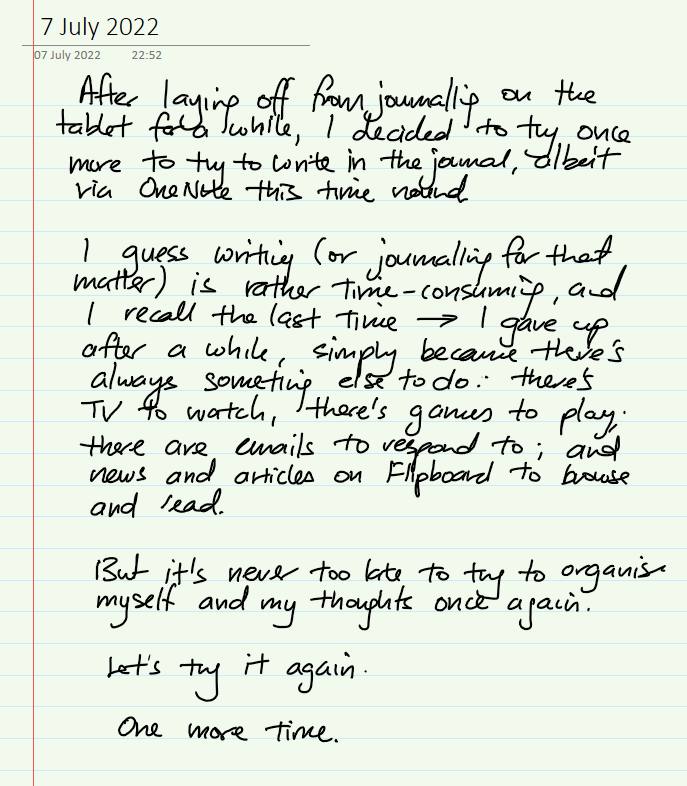
Actually, this journaling initiative was related to my social media detox. Since eons ago, I have stopped posting on Facebook (never really liked the format). While I have been posting regularly on Instagram, I did not like the idea of "likes" and "follows". The mechanism of posting for likes and follows tend to steer me away from a few things: Authenticity — Sometimes, I just want to post about my cats. Or my workout. Or a nice sunset. But I do get influenced by the likes that each post gather, or the number of follows that I get over time. And then I end up not posting what I might have wanted to post. Depth — I do lament about the good ol' days of journaling on Livejournal. Those days, we spent more time using words to express our thoughts and feelings. Somewhat, this gave a bit more depth to who we were and what we felt, as opposed to the fleeting, transient nature of stories or even Tiktok videos. Sure, watching some dance moves can be entertaining, but nothing beats reading a heartfelt post penned by another fellow (virtual) friend. Personality — The world of Instagram, etc. is visual. The best-looking person gets the most likes and follows. While this is not necessarily a bad thing, it does not facilitate connection on a deeper level. How much can we really know someone from a photo? Hence early January I decided to go on a social media detox. “A social media detox is a conscious elimination of social media use and consumption for a set period of time. Generally, most social media detoxes are 30 days, but some people do seven days or even a year-long social media detox.” For me, it meant a short hiatus from Instagram. I didn't post anything, nor did I browse the IG feeds. Studies have shown that spending too much time on social media can be potentially hazardous to our mental health — social media can show distorted views of reality that make the readers feel inferior. The social media detox turned out to be great. I wasn't really affected by the social comparison cycle, but I am by nature competitive, so this detox helped me to get away "from it all", even if there's a drop in my follower count, so be it — the FOMO aspects of it dissipated quickly, and I did begin to live more in the moment. Until a well-meaning friend reached out to me. "Is everything alright with you," he queried. Apparently my radio silence got him worried. I quickly reassured him that all is well. I guess social media is still a means for friends to keep in touch, and as long as we make use of social media as a tool, and not become a tool of social media (and the community at large), it should be okay. 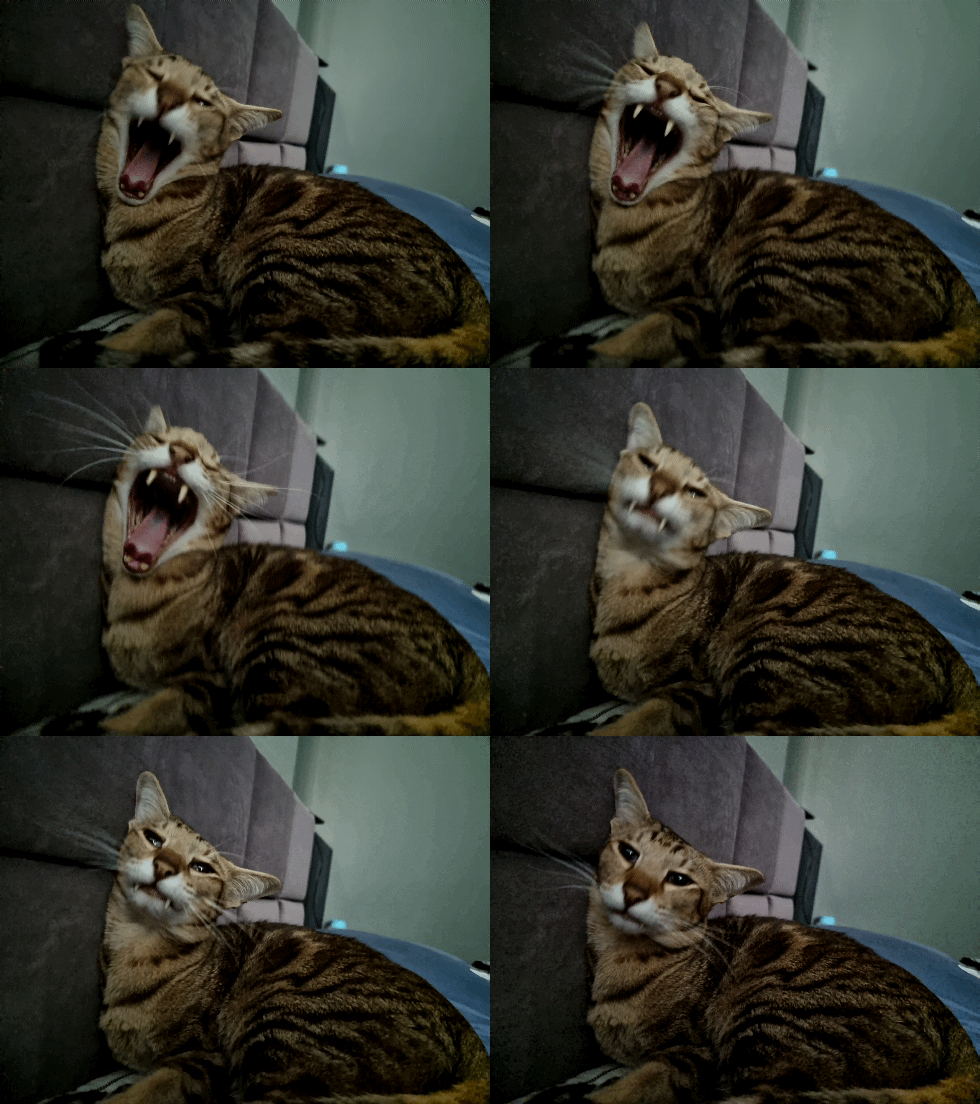 And since with my Ultra, the use of a stylus has helped me to write more. So let's see if I will write consistently. It's a little time-consuming though, but let's see. And here's a cute photo of Tigger yawning.
So today, I managed to be the first in line to get the brand new Galaxy S21 Ultra. I have been using my Huawei P30 Pro for almost 2 years already. I reckoned that I could get this brand new device slightly earlier, and then come 30th April, I'll try to switch from the rather expensive Singtel plan and then switch over to either the Circles life plan or the TPG 8OGB plan. The Circles Life plan is usually $18 for a 50GB plan, but it has limited outgoing call minutes. The TPG plan gives 80GB for only $18 and it is also rather Generous with free incoming and 300 outgoing minutes. I don't really use much bandwidth, but I would not turn down more free bandwidth for that matter. Here is a photo taken using the night mode. I think the Huawei P30 Pro camera is better, but let me take a few days to learn all the tricks to use these cameras of the 21 Ultra better.   So I was reading Costanza's post on her Passive Crypto Earnings November 2020 (Lending/Dividends/Staking). Being able to generate $610 of passive income through a multitude of platforms is a brilliant idea, and it got me thinking about whether I should sign up an account with BlockFi. In any case, I have decided to do some investigation on BlockFi to ascertain their credibility, and I will also embark on my own journey to deposit some crypto assets with BlockFi just to see how it goes. If you are planning to also sign up with BlockFi, why not consider signing up via my referral link here. When you sign up and fund your account using my referral code (and deposit at least $100 or more into your BlockFi interest account (BIA), both you and I will earn $10 in BTC! 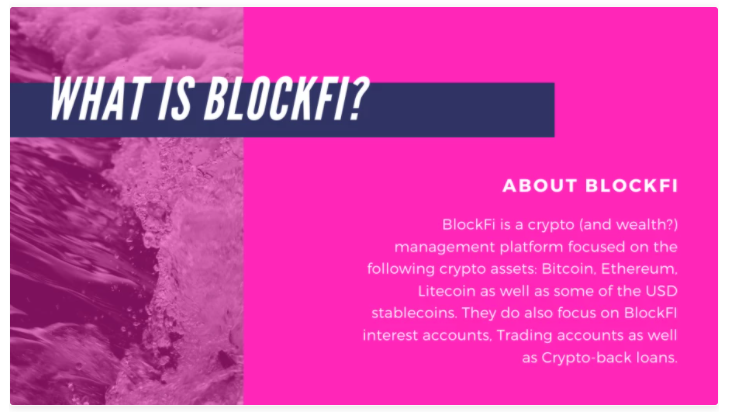 What is BlockFi?BlockFi sets itself apart from other cryptoasset service providers by pairing market-leading rates with institutional-quality benefits. BlockFi's mission is to give liquidity, openness as well as performance to electronic economic markets by developing items that fulfill the needs of customers around the world. They build bridges between standard money and also digital markets that allow growth for all participants. BlockFi's very first product is a USD financing protected by cryptoassets. This offers clients the capability to access liquidity without causing a taxable event or surrendering future benefit. Horizontal development specifies their possibility to naturally broaden BlockFi's present item by using varied maturations, increasing to different nations and also including extra kinds of security beyond Bitcoin and Ether. In more simple words, BlockFi is a crypto (and wealth?) management platform focused on the following crypto assets: Bitcoin, Ethereum, Litecoin as well as some of the USD stablecoins. They do also focus on BlockFI interest accounts, Trading accounts as well as Crypto-back loans. See their product page for the full list of details. History of BlockFiBlockFi launched in August 2017 after the founders Prince and Marquez found a good way to bring their expertise in lending to the blockchain industry. They envisioned BlockFi as a foray into Bitcoin and the crypto industry, with the help of their depth and breadth of financial knowledge. They then went on to raise $1.5m from Consensys Ventures, SoFi and Kenetic Ventures. They've since raised much more fund to date (at December 2020). Investors include Mike Novogratz at Galaxy Ventures, Anthony Pompliano's Morgan Creek Digital, and Akuna Capital. What are the benefits of BlockFi? For me personally, the stability and credibility of a platform is of utmost importance, as I certainly do not want my crypto assets to be lost through a hacking incident or unnecessary mismanagement. Due to the fact that it's based in America, BlockFi needs to abide by local laws as well as guidelines safeguarding consumers. Furthermore, the group's abundant history in financing provides a tried and tested track-record customers can rely on. To date, the company has placed fantastic emphasis on remaining transparent and also customer-friendly. No surprise several of the largest names in the market back it. This broad-based support likewise means plenty of track records on the line should anything run wrong. Based on my initial research, it seems that BlockFi doesn't use the best rates in the sector. Nonetheless, the prices are competitive, and also the firm doesn't delight in high-risk habits like earning money in another indigenous token or betting tokens. So, you can rest very easy when dealing with them that you will not obtain caught up in a rip-off. They make use of Gemini as their safekeeping carrier. Why does this matter? Due to the fact that Gemini is guaranteed and also has industry-leading safety actions to ensure security at the highest degree. Is BlockFi Secure? The BlockFi website supplies 2-factor verification. All assets are not saved with BlockFi. Gemini handles all electronic properties on behalf of BlockFi. They utilize industry-leading cold storage solutions that are guaranteed. BlockFi, along with Gemini Custodianship deal extremely high criteria of protection. Nevertheless, I read an article where BlockFi experienced a backing incident in May 2020. "For just under 90 minutes last Thursday, hackers were able to compromise the systems of cryptocurrency lending platform BlockFi, and gain unauthorised access to users’ names, email addresses, dates of birth, address and activity history. In an incident report published on its website, BlockFi was keen to stress that the hacker’s activity had been logged and as such it was “able to confirm that no funds, passwords, social security numbers, tax identification numbers, passports, licenses, bank account information, nor similar non-public identification information” had been exposed. That’s obviously a relief, but there are still plenty of bad things that could be done by anyone maliciously-minded who came across the information that was successfully accessed by the hacker." Fortunately, it seemed that no funds were lost. The advice given by BlockFi is the ensure multi-factor authentication - which I do agree is the baseline of what we all should do. It might take a little more effort but its worth its weight in gold (or your favourite crypto currency, for that matter). How are BlockFi's Interest Rates? You can track BlockFi's interest rates via their website. It seems pretty decent, considering that I am currently storing my Bitcoin in a wallet without earning any interest. What is also interesting is that the interests are paid out every month, and the interest earned by the account holders are compounded, thereby increase the annual yield. 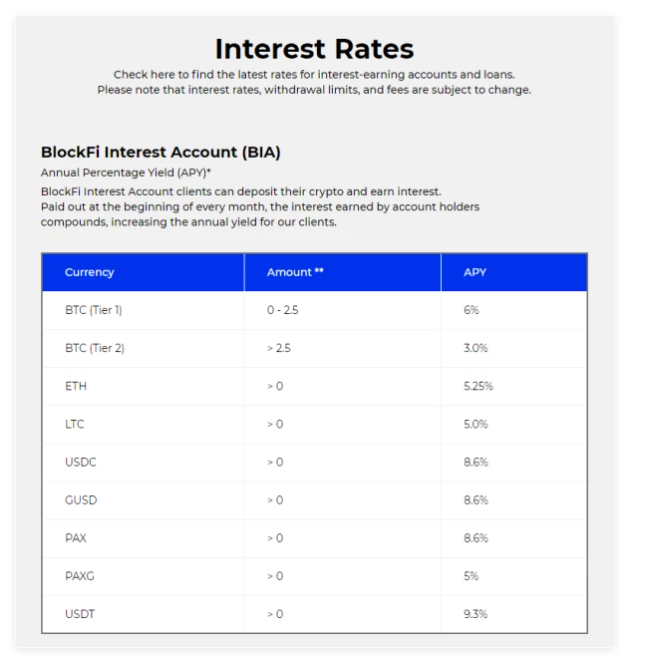 |
AuthorI am MrWildy and I am trying to journal more about my life and also my travels. Find out more about me here. Categories
All
Archives
July 2022
|




 RSS Feed